
Carpet Types & Fibers Explained
When researching carpet, you’ll often see terms like Berber, plush, nylon, or polyester.
This page explains what these carpet types and fibers actually mean.
Carpet descriptions are generally based on two things:
Carpet types (styles): how the carpet is constructed
Carpet fibers (materials): the material the carpet is made from
Understanding these terms helps make sense of carpet options without confusion.
Carpet Types (Styles)
Carpet type refers to how the fibers are formed on the surface, which affects appearance, texture, and overall feel.
Berber Carpet
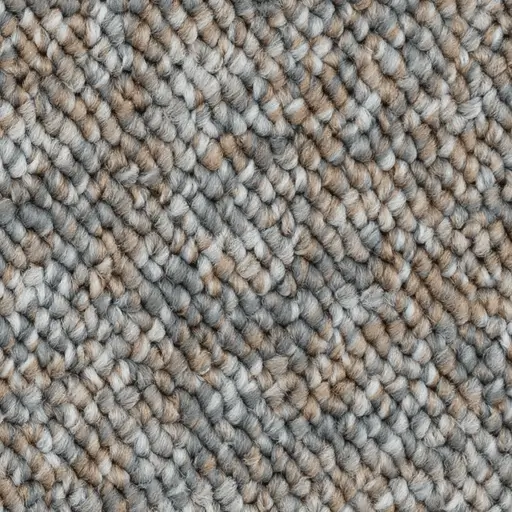
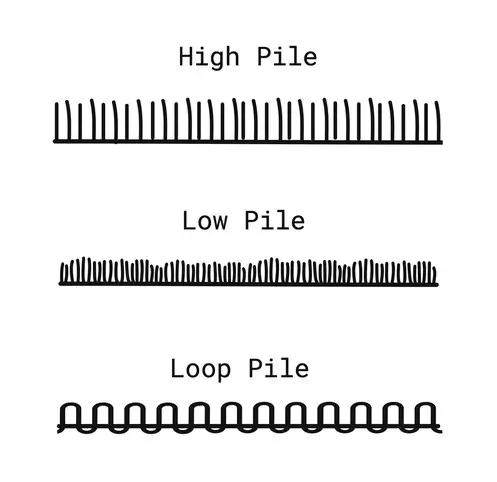
Berber carpet is made using looped fibers, creating a textured and often speckled appearance. The loops remain uncut, which gives Berber its distinct look.
Because of its construction, Berber carpet is commonly associated with durability and structure. It has been widely used in both residential and commercial spaces for many years.
Berber carpets are available in a range of fibers, including nylon, olefin, polyester and wool.
Plush Carpet
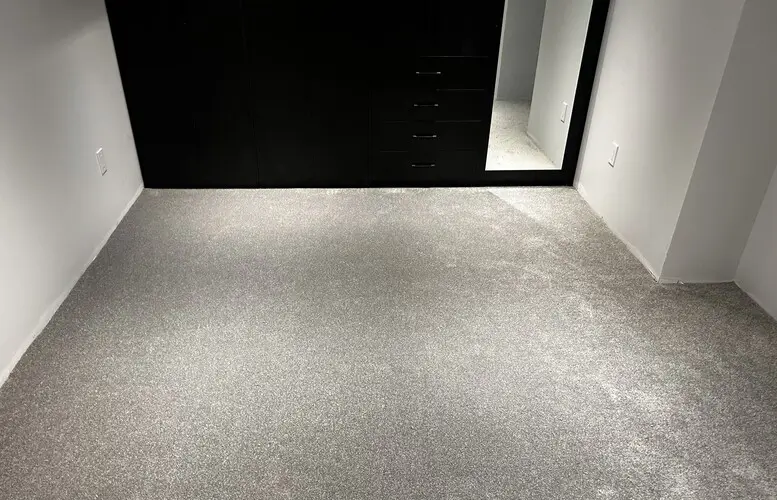
Plush carpet features cut fibers that are trimmed evenly, resulting in a smooth and consistent surface.
This style is often described as soft and refined, with a uniform appearance across the floor. Due to its even finish, changes in lighting or foot traffic can be more visible on the surface.
Because of its soft and comfortable feel underfoot, plush carpet is commonly used in spaces like bedrooms and basements, where comfort is often a priority.
Plush carpet is one of the most recognizable residential carpet styles.
Cut & Loop Carpet
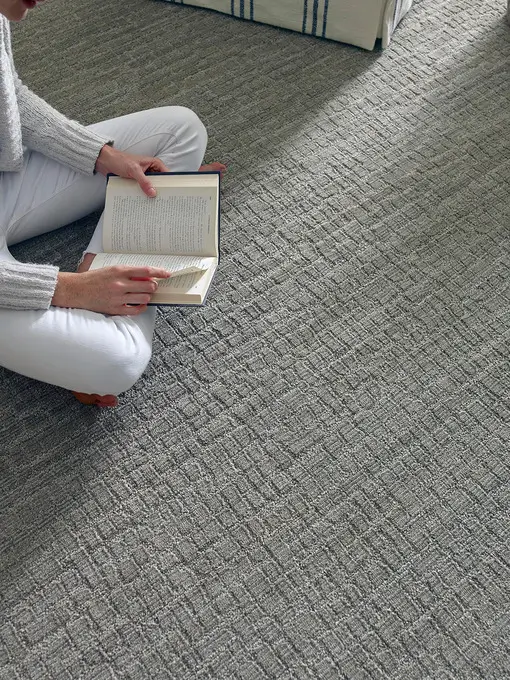
Cut & loop carpet combines both cut fibers and looped fibers in the same design. The contrast between the two creates patterns, textures, or subtle visual designs on the carpet surface.
Instead of relying on color alone, cut & loop carpets use construction differences to add depth and variation. This makes them visually more dynamic than single-style carpets like plush or Berber.
Because of the mixed construction, cut & loop carpet is often described as:
Textured
Patterned
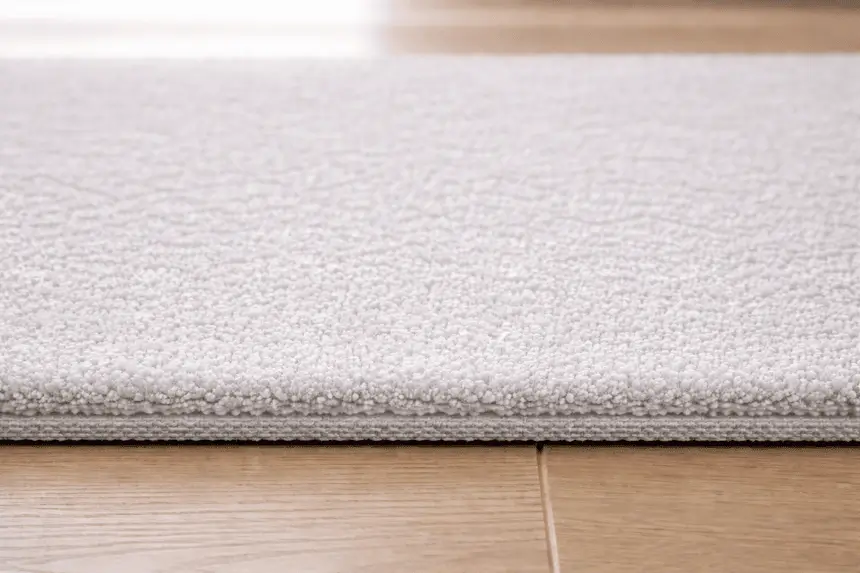
Low Pile Carpet
Cut & loop carpet combines both cut fibers and looped fibers in the same design. The contrast between the two creates patterns, textures, or subtle visual designs on the carpet surface.
Instead of relying on color alone, cut & loop carpets use construction differences to add depth and variation. This makes them visually more dynamic than single-style carpets like plush or Berber.
Because of the mixed construction, cut & loop carpet is often described as:
Textured
Patterned
High Pile Carpet
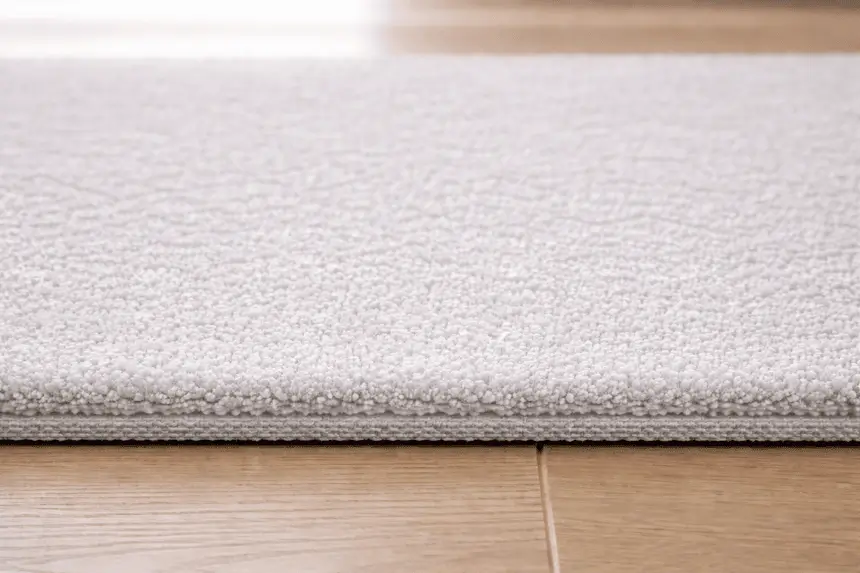
High pile carpet features longer, looser fibers, creating a thicker and more cushioned surface. This results in a noticeably softer and more textured feel underfoot.
High pile carpet is often associated with:
A plush, cozy appearance
A more relaxed and comfortable surface texture
A deeper, more dimensional look
Because of the longer fibers, high pile carpets tend to show texture changes, shading, and footprints more visibly than lower pile options. High pile styles are available in various constructions and fiber materials.
Carpet Fibers (Materials)
Carpet fiber refers to the material used to make the carpet yarn. Different fibers affect how a carpet feels, how it wears over time, and how it responds to everyday use and cleaning.
Nylon
Nylon is one of the most widely used carpet fibers thanks to its strength and long-term performance. It is known for excellent durability and resilience, meaning it can bounce back well after foot traffic and furniture weight. This makes it a reliable option for active households and higher-traffic areas.
Nylon also resists wear and holds its texture over time. While it may come at a higher price point compared to some other synthetic fibers, its long lifespan and performance often make it a worthwhile investment for many homeowners.
Polyester
Polyester carpet is valued for its softness, vibrant color clarity, and affordability. It naturally resists stains and is generally easier to clean, making it a practical option for many residential spaces. Polyester also performs well in low to moderate traffic areas and offers a comfortable feel underfoot.
While it may not be quite as resilient as nylon in heavy-traffic settings, choosing a dense, well-constructed style can still provide long-lasting performance. For homeowners seeking a balance between comfort and cost, polyester remains a popular choice.
Olefin
Olefin, also known as polypropylene, is recognized for its strong resistance to moisture, staining, and fading. It performs especially well in areas where moisture exposure may be a concern, such as basements or certain commercial settings. It is also generally more budget-friendly compared to some other fiber types.
While olefin is durable in terms of stain and moisture resistance, it may show wear sooner in very high-traffic areas compared to nylon. However, in the right setting, it offers dependable performance and practical value.
Wool
Wool is a natural carpet fiber known for its softness, warmth, and timeless appeal. It offers excellent insulation properties and can help regulate indoor humidity. Wool also tends to age gracefully, maintaining its appearance with proper care.
Because it is a natural material, wool typically comes at a higher price point and may require more attentive maintenance compared to synthetic options. For homeowners looking for a premium, natural flooring material, wool remains a classic and respected choice.
Now That You Understand Carpet Types and Fibers
Now that you know the different carpet types and fiber materials, the next step is seeing how these features work together in real-life spaces.
Every home is different. Traffic levels, comfort preferences, lifestyle, and maintenance expectations all play a role in deciding which carpet fits best.
Ready to Move Forward?
If you’ve already done your research and feel confident about your options, you can request a free quote and receive pricing within minutes.
✔ Clear pricing
✔ Professional installation
✔ No pressure
